
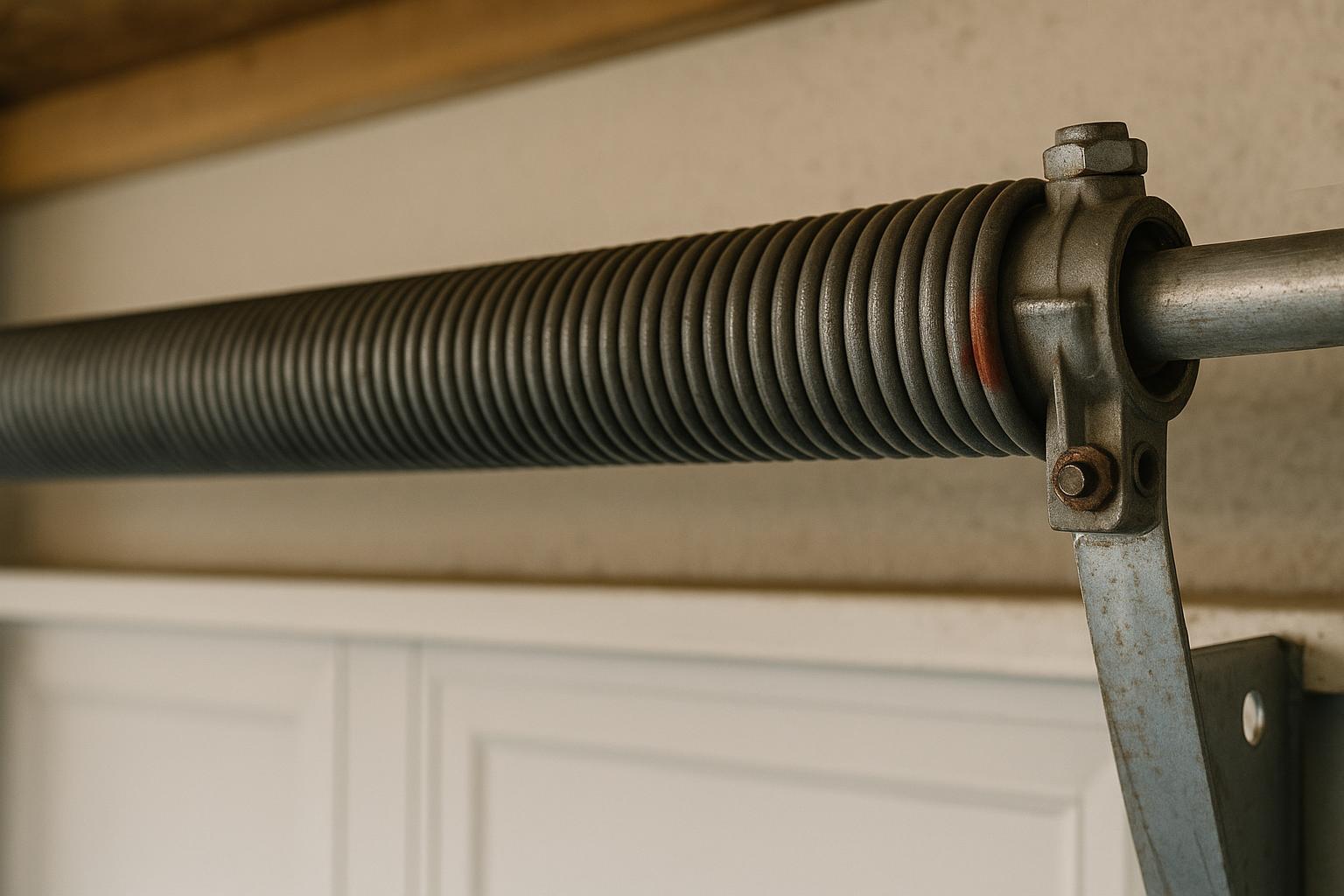
Your Garage Door Springs Are More Important Than You Think
If you've ever tried to lift your garage door manually and found it impossibly heavy, you already understand the critical role that springs play. Garage door springs do the heavy lifting — literally. They counterbalance the weight of the door, which can range from 130 to over 400 pounds depending on the size and material. Without properly functioning springs, your garage door opener works overtime, your door becomes dangerous, and eventually the whole system can fail.
Here in Fairborn, where we deal with temperature swings from freezing winters to hot summers, garage door springs are under constant stress. Metal expands and contracts with temperature changes, and over years of daily use, that wear adds up. Knowing when your springs are on their way out can help you avoid an unexpected breakdown — or worse, a safety hazard.
How Long Do Garage Door Springs Last?
Most standard garage door springs are rated for approximately 10,000 cycles. One cycle equals one full open and one full close. If your household opens and closes the garage door four times a day, that's roughly seven years of use before the springs reach the end of their expected lifespan.
Of course, several factors can shorten or extend that timeline:
- Climate: Extreme cold makes metal more brittle, and Fairborn winters can accelerate spring fatigue.
- Maintenance: Springs that are regularly lubricated and inspected tend to last longer.
- Quality: Higher-grade springs with more cycles are available and worth the investment if you use your garage door frequently.
- Door weight: Heavier doors put more strain on springs, wearing them out faster.
Warning Signs Your Springs Are Failing
Springs rarely fail without warning. If you know what to look for, you can catch the problem early and schedule a replacement before the spring snaps. Here are the most common signs that your garage door springs need attention.
1. The Door Feels Heavier Than Usual
Try disconnecting your garage door opener and lifting the door manually. A properly balanced door with healthy springs should lift smoothly and feel relatively light. If the door feels extremely heavy or you can barely get it off the ground, your springs have likely lost tension and are no longer doing their job.
2. The Door Opens Unevenly or Crooked
If one side of your garage door rises faster than the other, it could mean one spring is weaker than its counterpart. This is especially common in two-spring systems where one spring wears out before the other. An uneven door puts stress on the tracks, rollers, and opener, creating a cascade of potential problems.
3. You Hear Loud Squeaking or Grinding
Some noise during operation is normal, but loud squeaking, popping, or grinding sounds coming from the spring area are red flags. These noises often indicate that the coils are rubbing together improperly or that the spring has developed rust and corrosion.
4. Visible Gaps in the Spring Coils
Take a look at your torsion spring above the door. A healthy spring has tightly wound coils with consistent spacing. If you notice a visible gap or separation in the coils, the spring has already broken or is about to. This is one of the clearest visual indicators that replacement is needed immediately.
5. The Opener Struggles or Stops Mid-Cycle
When springs lose their counterbalancing ability, your garage door opener has to work much harder to lift the door. You might notice the opener straining, moving slower than usual, or stopping partway through the cycle. Continuing to use a struggling opener can burn out the motor, turning a spring replacement into a much more expensive repair.
6. The Door Slams Shut Quickly
Springs control the speed at which your door closes. If your garage door drops faster than normal or slams shut, the springs are no longer providing adequate resistance. This is a serious safety concern, especially for homes in Fairborn with children or pets who may be near the garage door.
Torsion Springs vs. Extension Springs
Understanding which type of spring system your garage door uses can help you communicate with your repair technician and understand the scope of the job.
- Torsion springs are mounted on a metal shaft above the garage door opening. They twist to store energy and are the more common and durable option found in most modern garage doors.
- Extension springs run along the horizontal tracks on either side of the door. They stretch and contract to lift the door. While effective, they generally have a shorter lifespan and can be more dangerous when they break if safety cables aren't installed.
Regardless of which type you have, spring replacement is not a DIY project. These springs are under extreme tension and can cause serious injury if handled improperly. Professional technicians have the tools, training, and experience to replace springs safely.
Why You Shouldn't Wait Until a Spring Breaks
Many homeowners in the Fairborn and Beavercreek area don't think about their garage door springs until one snaps. When that happens, you'll likely hear a loud bang from the garage — a sound that many people mistake for something falling or even a break-in. Once a spring breaks, your garage door becomes inoperable, and you could be stuck with your car trapped inside.
Proactive replacement offers several advantages:
- Convenience: You schedule the repair on your timeline instead of dealing with an emergency.
- Cost savings: A broken spring can damage other components like cables, drums, and the opener, increasing repair costs.
- Safety: A snapping spring releases tremendous force. While modern safety features reduce the risk, it's always better to replace worn springs before they fail.
- Balanced replacement: When one spring is worn, the other is usually close behind. Replacing both at the same time ensures balanced operation and avoids a second service call.
How Regular Maintenance Extends Spring Life
One of the best things you can do for your garage door springs is invest in routine maintenance. At Fairborn Garage Door Solutions, we recommend at least one professional inspection per year. During a maintenance visit, a technician will:
- Lubricate the springs, hinges, rollers, and tracks to reduce friction and wear.
- Check spring tension and balance to ensure the door operates smoothly.
- Inspect cables and hardware for signs of fraying or corrosion.
- Test the safety reversal system and photo-eye sensors.
- Tighten any loose bolts or brackets.
These simple steps can add years to the life of your springs and help you catch small issues before they become big problems. Homeowners throughout Fairborn, Xenia, Huber Heights, and the surrounding communities trust us to keep their garage doors running safely and reliably.
Don't Ignore the Warning Signs
Your garage door is one of the largest moving parts of your home, and the springs are what make it all work. If you've noticed any of the warning signs mentioned above — a heavy door, unusual noises, visible gaps in the coils, or an opener that's struggling — it's time to have your springs inspected by a professional.
Fairborn Garage Door Solutions is here to help. We provide honest assessments, upfront pricing, and expert spring replacement for homeowners and businesses across Fairborn and the surrounding area. Whether you need an emergency repair or want to schedule preventive maintenance, give us a call. We'll make sure your garage door is safe, balanced, and ready for whatever the Ohio weather throws at it.