
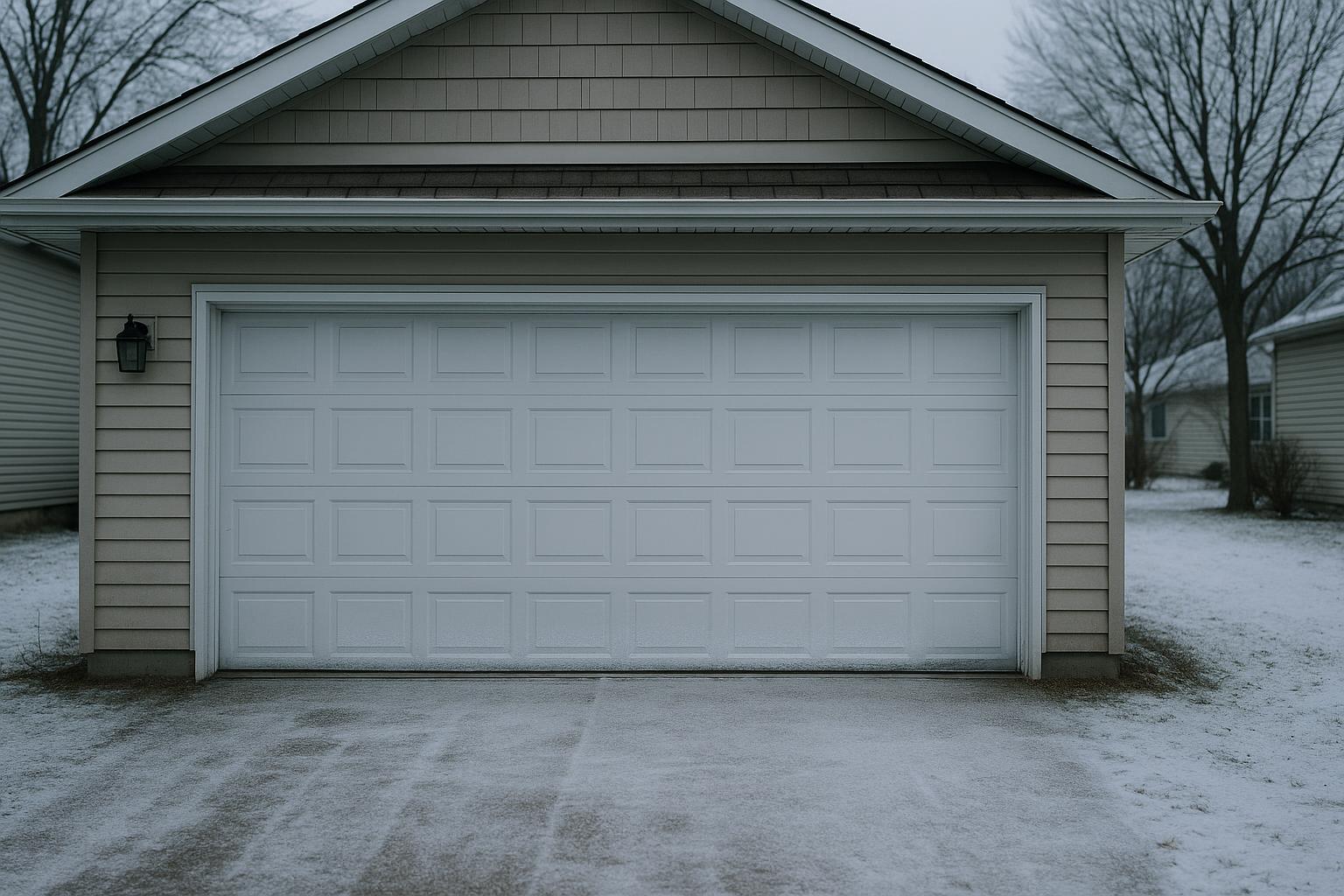
Cold Weather and Your Garage Door: A Common Fairborn Problem
If you've ever walked into your garage on a frigid January morning, pressed the button on your opener, and heard nothing but a groan or a click, you're not alone. Cold weather garage door problems are one of the most common service calls we get here at Fairborn Garage Door Solutions during the winter months.
Fairborn and the surrounding Miami Valley area see their fair share of freezing temperatures, ice storms, and bitter wind chills from November through March. All of that takes a toll on your garage door system — from the metal springs and tracks to the opener motor and weatherstripping. The good news is that most cold weather garage door issues are preventable, and many can be resolved without a full replacement.
Let's walk through the most common reasons your garage door won't open when temperatures drop and what you can do about each one.
1. The Garage Door Is Frozen to the Ground
This is the number one reason garage doors refuse to budge in winter. When water collects along the bottom edge of the door and freezes overnight, it creates an ice seal between the door and the ground. When you hit the opener button, the motor strains against the frozen bond, and the door stays put.
What to Do
- Never force it. Repeatedly pressing the opener button while the door is frozen shut can burn out the motor, strip the gears, or damage the door panels.
- Break the seal gently. Use a flat shovel or a heat gun to carefully melt or chip away the ice along the bottom of the door. Work from the outside, moving slowly across the full width.
- Apply a silicone-based lubricant along the bottom weatherstrip and the concrete threshold to prevent water from bonding the door to the ground in the future.
- Keep the area clear. Shovel snow and standing water away from the base of your garage door before temperatures drop below freezing.
2. Metal Parts Contract in the Cold
Your garage door system is full of metal components — springs, tracks, hinges, rollers, and cables. When temperatures plummet, metal contracts slightly. This contraction can cause parts to bind, stiffen, or even crack under stress.
Springs are especially vulnerable. A spring that's already near the end of its lifespan may snap in cold weather because the metal becomes more brittle. Tracks can also shift slightly, causing the door to stick or move unevenly.
What to Do
- Lubricate all moving parts with a garage door-specific lubricant before winter sets in. Focus on springs, hinges, rollers, and the track. Avoid WD-40 — it's a solvent, not a long-term lubricant.
- Schedule a fall maintenance visit. A professional tune-up before the cold hits can catch worn springs, loose hardware, and alignment issues that are more likely to cause problems when temperatures drop.
3. The Garage Door Opener Struggles in Extreme Cold
Your garage door opener is an electric motor, and like all motors, it doesn't love extreme cold. The grease inside the motor housing can thicken, making it harder for the unit to generate enough force to lift the door. Older openers with less horsepower are especially prone to this.
You might notice the opener humming or clicking without actually moving the door, or the door may open partway and then stop.
What to Do
- Check the force settings. Some openers allow you to adjust the force the motor uses to open and close the door. In winter, you may need to increase this slightly. Consult your owner's manual or call a professional if you're unsure.
- Consider upgrading. If your opener is more than 15 years old and struggles every winter, it may be time for a newer model with a stronger motor and better cold-weather performance. Modern openers also come with battery backup, which is a lifesaver during winter power outages.
4. Weatherstripping Has Hardened or Cracked
The rubber weatherstripping along the bottom and sides of your garage door is designed to keep out cold air, moisture, and debris. Over time — and especially in freezing conditions — that rubber hardens, cracks, and loses its flexibility. When it does, it can stick to the ground, let in drafts, and fail to create a proper seal.
What to Do
- Inspect your weatherstripping at the start of each winter season. Look for cracks, gaps, or sections that have pulled away from the door.
- Replace damaged weatherstripping promptly. It's an inexpensive fix that makes a big difference in keeping your garage warmer and preventing the door from freezing to the ground.
5. The Remote or Keypad Batteries Are Weak
This one sounds obvious, but it catches a lot of people off guard. Cold temperatures drain batteries faster than warm weather does. If your garage door remote or exterior keypad seems unresponsive on a cold morning, the batteries may simply be too weak to send a strong signal.
What to Do
- Replace the batteries in your remote and keypad at the start of winter as a preventive measure.
- Keep a spare remote inside your home where it stays warm, rather than leaving it in a cold car overnight.
6. Misaligned or Dirty Safety Sensors
The photo-eye sensors near the bottom of your garage door tracks can be affected by frost, condensation, or ice buildup. If the lenses fog up or get coated with frost, the sensors may think there's an obstruction and refuse to let the door close — or prevent it from operating at all.
What to Do
- Wipe the sensor lenses with a clean, dry cloth on cold mornings.
- Check alignment. If the sensors have been bumped or shifted, the indicator lights will blink. Realign them so they face each other directly.
Preventing Winter Garage Door Problems in Fairborn
The best approach to cold weather garage door issues is prevention. Here's a quick checklist Fairborn homeowners can follow before winter arrives:
- Schedule a professional maintenance visit in the fall.
- Lubricate all moving parts with a cold-weather-rated garage door lubricant.
- Inspect and replace worn weatherstripping.
- Clear snow, ice, and standing water from the base of the door.
- Replace batteries in remotes and keypads.
- Test the door's balance and opener force settings.
Taking these steps in October or November can save you from a frustrating — and potentially expensive — breakdown on the coldest morning of the year.
When to Call a Professional
Some winter garage door problems are easy DIY fixes. Others — like a broken spring, a stripped opener gear, or a door that's come off its tracks — require professional attention. Attempting to repair high-tension springs or realign a heavy garage door on your own is dangerous and can lead to serious injury.
If your garage door won't open and you've ruled out the simple causes listed above, give Fairborn Garage Door Solutions a call. We serve homeowners throughout Fairborn, Beavercreek, Xenia, Enon, Huber Heights, and Riverside, and we're used to handling cold weather emergencies quickly so you're not left with an open garage in freezing temperatures.
Your garage door works hard all year long. A little winter preparation goes a long way toward keeping it reliable when you need it most.